/ TEACH
01 / THE PHILOSOPHY
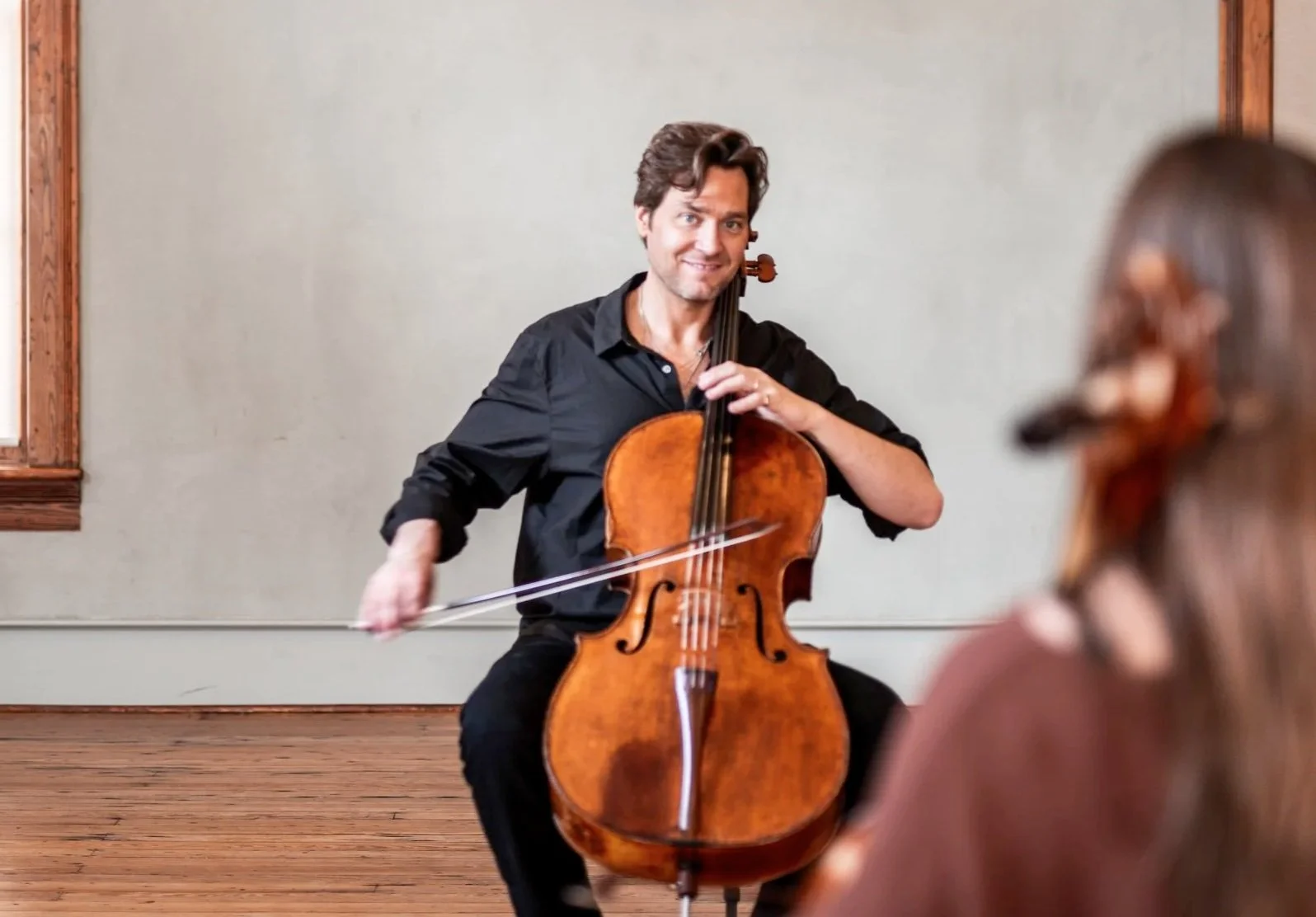
Finding one's own voice.
“I am firmly committed to the idea that each person is an individual and deserves to be treated uniquely. It’s crucial for me as a teacher to adjust my teaching method and approach to each individual student. In my teaching, my most basic goal is that each and every student will love music.
I believe that the things we give most to are the things we most love, so I encourage a lot of curiosity, determination, and focus on studies. I believe most students do not need to be told they are not good. Most know this on some level already.
What they need to be told is – ‘You can do it, here’s how to do it, now- let’s do it together!’”
02 / IN CONVERSATION
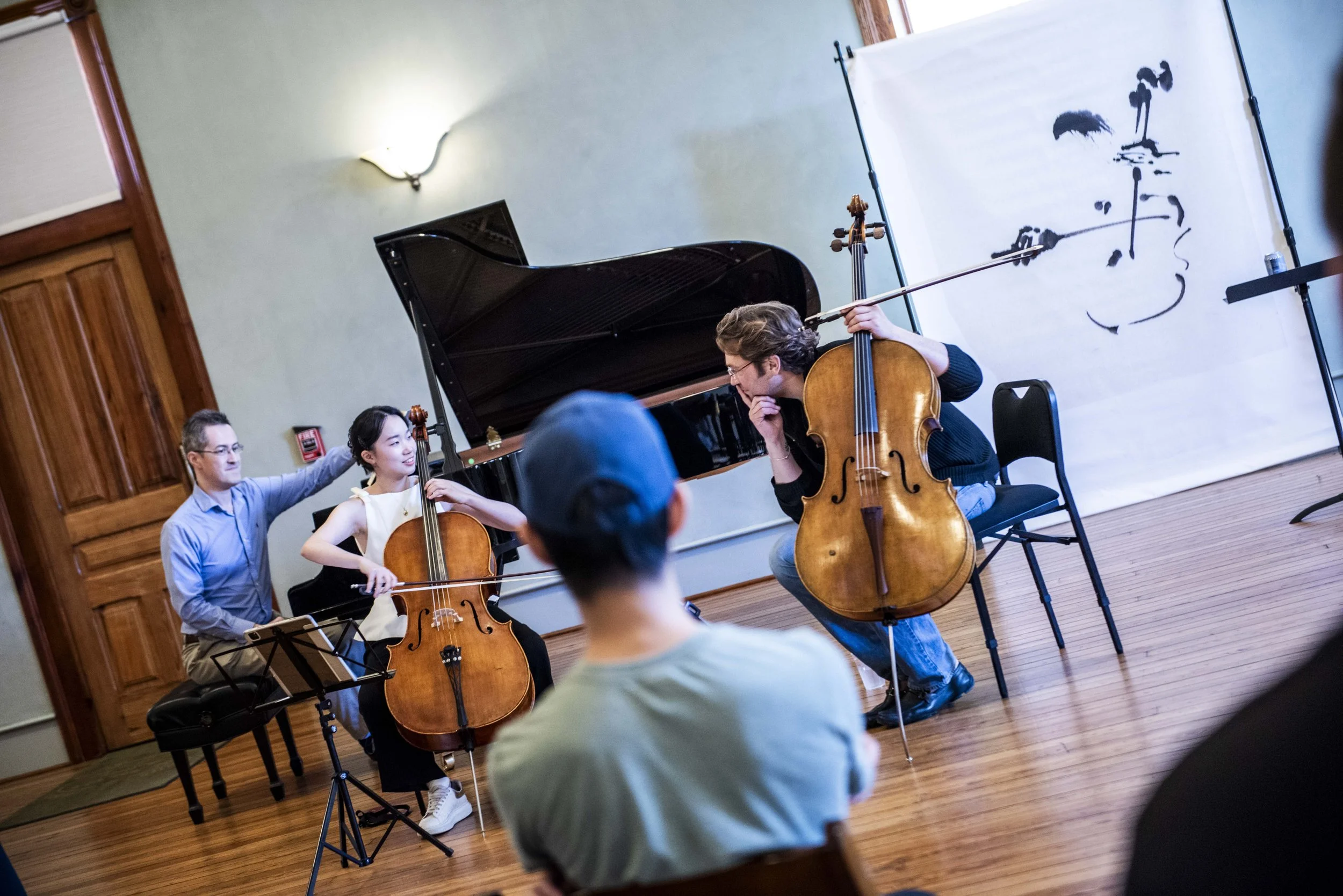
The art of learning.
A conversation about individuality, technique, listening, and the development of musical freedom.
I / THE INDIVIDUAL
Every student is an individual.
You've been teaching for over two decades. When a new student walks into your studio, how much does their individual physique influence your approach?
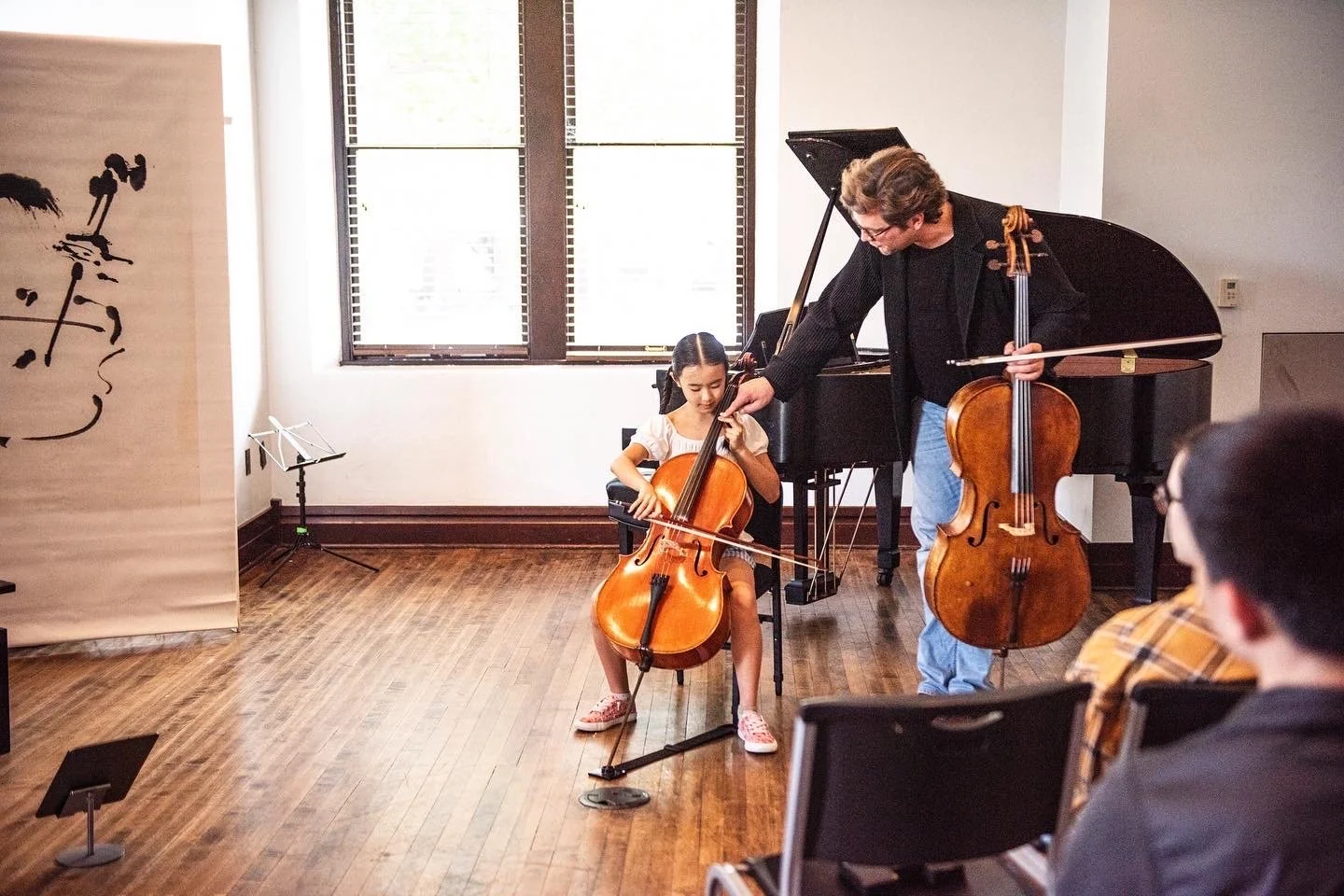
It's crucial for me as a teacher to adapt my methods to each individual student. My responsibility is to help students find the most natural, healthy, and comfortable way to play the cello, while also helping them discover their own voice of musical expression.
Ultimately, the physical and mechanical principles of playing should fit organically with each student's unique physiology. No two students are quite alike, and I don't believe they should all be taught in precisely the same way.
How do you approach teaching intonation?
The goal is to develop a very high level of intonation—not because perfect intonation exists, but because we want to play accurately and intuitively, without constantly having to think about it.
I believe two fundamental skills are involved, and it's important to know which one we're developing when we practice.
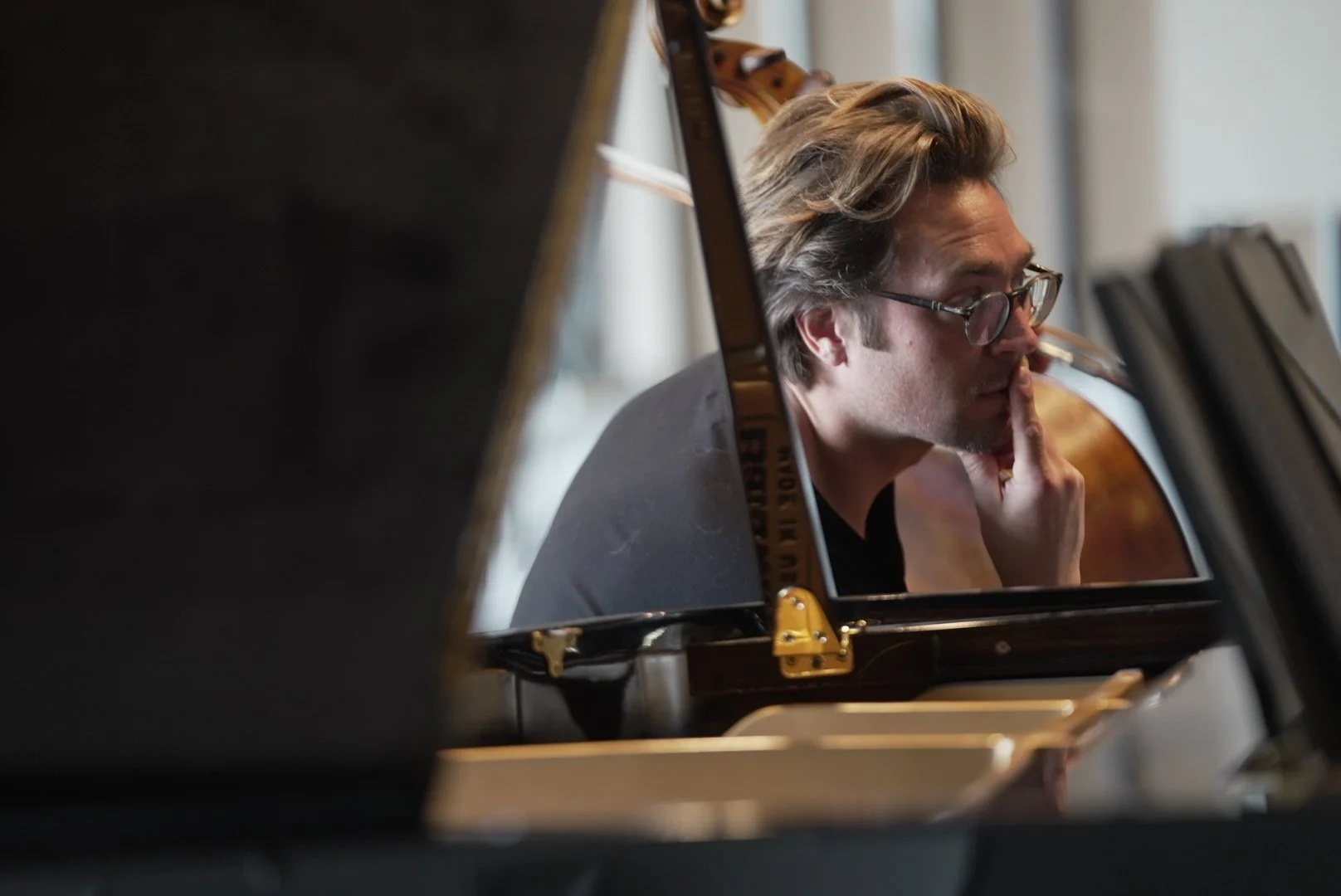
The first is the ear—or more precisely, the inner ear. Music begins with hearing something in the imagination before we play it. We must decide how we want a note to sound, develop the ability to hear it internally, and continually refine that image. Great performers often do this intuitively, but it's a skill that anyone can develop.
The second is the physical organization of the hand: its shape, balance, and accumulated muscle memory. An unbalanced hand makes reliable intonation extremely difficult.
It's remarkable how often we blame our hands for not being sufficiently trained when, in reality, they're simply following imprecise instructions from our ears. In my experience, the hands are always a step behind the ear.
That is why conscious listening is so fundamental.
II / THE INSTRUMENT
The pursuit of freedom.
Scales are certainly emphasized in your teaching. Was there somebody in your own background who instilled your enthusiasm for them?
Absolutely. For that I must give Richard Aaron the credit. His emphasis on fundamentals helped me build a solid technical foundation.
I find that one of the greatest challenges in teaching technique is making sure there is always a specific goal in mind. Far too often, we cellists practice technical exercises without a clear idea of what we're actually trying to accomplish.
One of the central goals of cello lessons, at any level, should be to master scales, arpeggios, and other fundamental exercises with clearly defined sound qualities and tempos in mind—and to do so with ease.
I very much emphasize the importance of performing technical exercises as though they were music. They should never become merely mechanical.
What do you do when a student has a tight or nervous vibrato?
The first thing I often do is ask them to play without vibrato for several weeks.
If a student has developed a habit of producing vibrato with an inefficient physical movement, they need an opportunity to forget that habit and discover a new sensation. It's important that they don't constantly relate the new movement to what they were doing before.
Poor vibrato can have many causes. There may be too much rotation in the wrist, or perhaps unnecessary tension in the left biceps. Every student is different.
One person might discover a freer vibrato in half an hour, while another may need six months to change an established habit. There is no universal timetable.
How do you approach the right arm?
One of the most important qualities of a skilled cellist is the ability to produce a beautiful sound—a full, resonant sound that can project naturally in a concert hall.
That requires power, but power must never be confused with tension.
I like the image of taking the bow in the hand as one would take up a tool, and at the frog discovering the feeling of simply allowing the arm to rest on the cello.
Natural arm weight, together with the freedom and flexibility of the body, allows the instrument to resonate. As we move toward the tip, we must compensate for the changing leverage by gradually pronating the arm.
Of course, the precise movement will differ from one player to another. A shorter cellist may need to pronate more than someone with longer arms, like myself.
Again, the technique must accommodate the individual.
How do you teach a student to bow without pressing too heavily into the string?
I teach students to listen to their bodies, to listen carefully to the sound they produce, and to observe how the string behaves under different amounts of pressure.
We need to become sensitive to the moment when the string vibrates most freely and fully, and to recognize the sound that results.
Sometimes I even ask a student to deliberately over-press. Experiencing what we don't want can help us understand more clearly what we're trying to achieve.
III / THE PRACTICE
From thought to intuition.
How do you help students get the most out of their practice sessions, rather than simply repeating things over and over?
One of the central parts of studying music—and one of the first things I work on with a new student—is learning how to practice.
I may see a student for only one hour each week, so it's essential that they learn to make good use of the many hours they spend alone with the instrument.
There are countless methods of practicing, but fundamentally, a successful practice session should involve making many decisions, both small and large, about what we want to hear—and then teaching our hands to realize those sounds more reliably.
Practice should be an active process of listening, deciding, experimenting, and refining. It should never become mindless repetition.
Do you encourage your students to think analytically while playing?
During practice, absolutely. But during performance, ideally, no.
I think the most natural way to play an instrument resembles the way many traditional folk musicians perform. They may have little formal technical training, yet they can accomplish extraordinary things through intuition.
That kind of freedom is something I admire enormously.
Ultimately, all of our technical work and analysis should lead us toward a place where we no longer need to think consciously about every movement. We can simply listen, respond, and make music.
In the end, we often need less analyzing and less talking, and more trust in the musical instincts we've developed.
But how does one attain that freedom? After decades of paying attention to the smallest technical details, how can we suddenly forget them and simply play?
It isn't easy.
But it should be our goal.
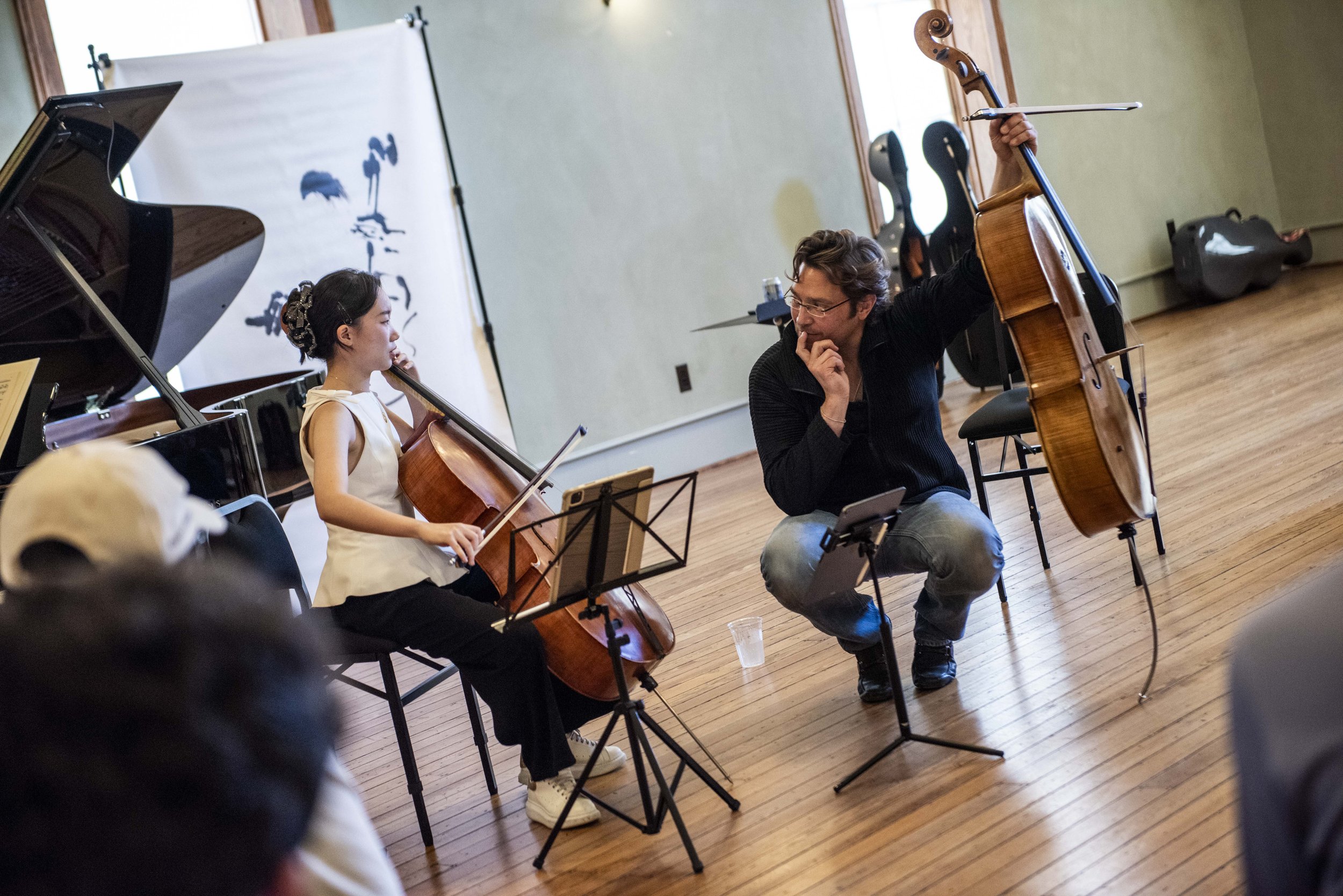
IV / THE MUSICIAN
Beyond the competition.
Your students have been successful in competitions. How do you approach preparing them for that environment?
I've been fortunate to work with some very talented students!
For me, competitions are something of a necessary evil. They provide a concrete goal and can be wonderful motivation to work hard, which is certainly valuable.
But I'm always careful to emphasize that there are much more important reasons to play music than simply trying to beat someone else.
Competition can bring out a tremendous amount of determination in young people, and I try to harness that energy constructively.
Ultimately, though, the goal is not to become a better musician than somebody else. It is to become the best musician you are capable of being.
Beyond technical accomplishments, performances, and competitions, what do you most hope your students take away from studying with you?
Above all, I want every student to love music.
I believe that the things we give most to are the things we most love, so I encourage a lot of curiosity, determination, and focus on studies.
I also believe that most students don't need someone constantly reminding them of their shortcomings. What they need is a teacher who can show them a way forward, who believes in their capacity to improve, and who is willing to work alongside them.
Sometimes the most important thing a teacher can say is:
–You can do it, here’s how to do it, now- let’s do it together!
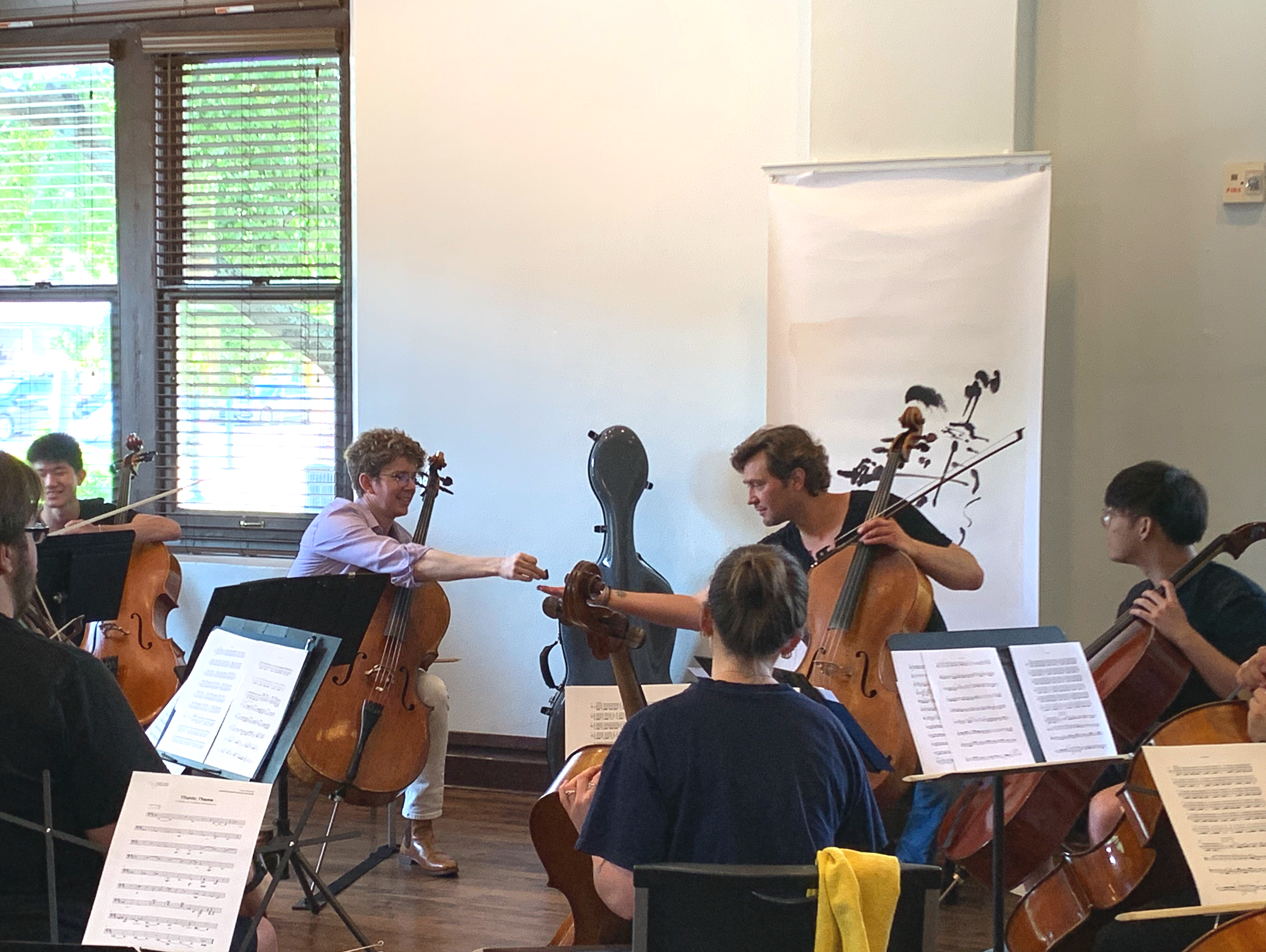
03 / MASTERCLASSES & RESIDENCIES
Learning through exchange.
Teaching across universities, festivals, and international programs.
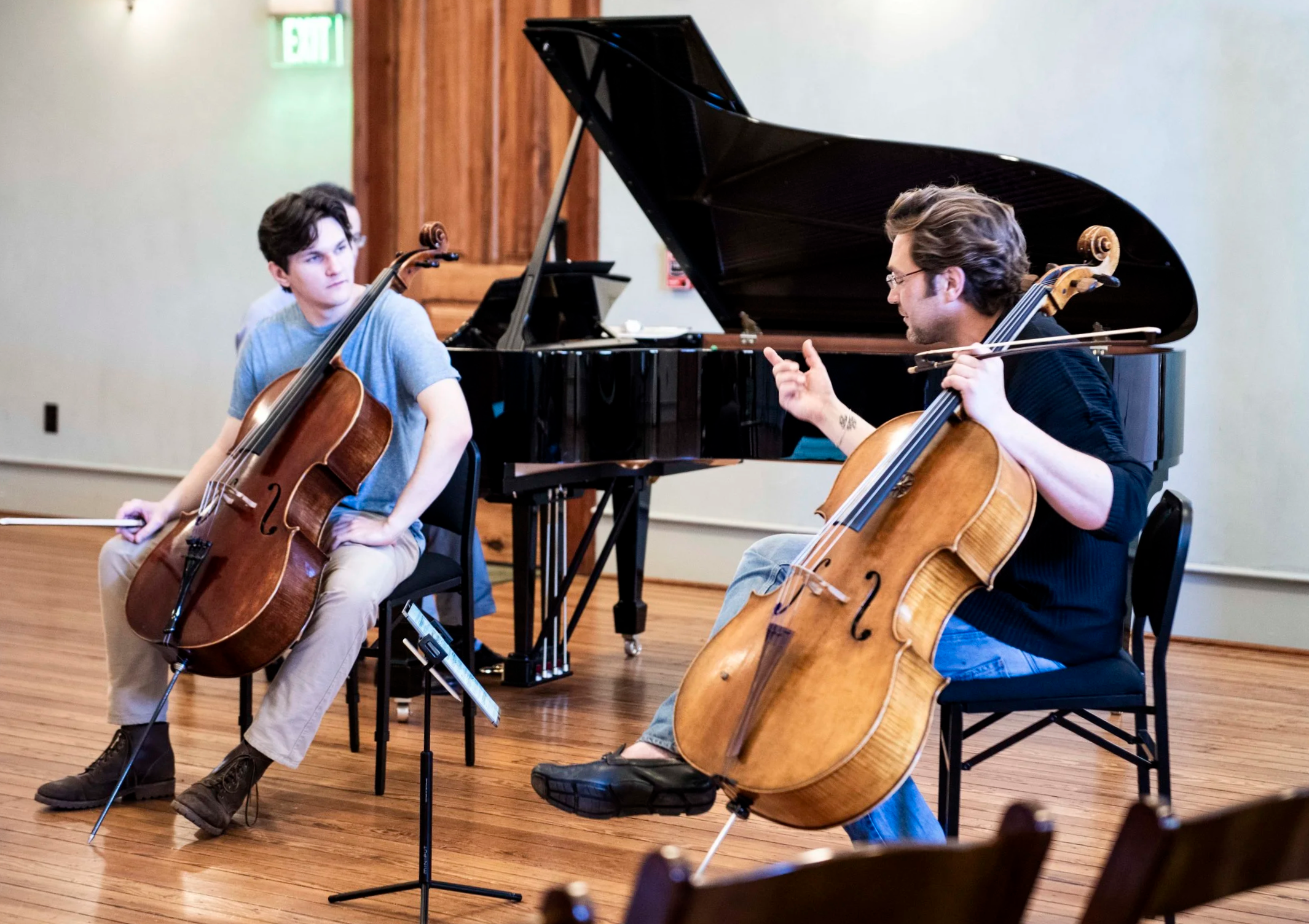
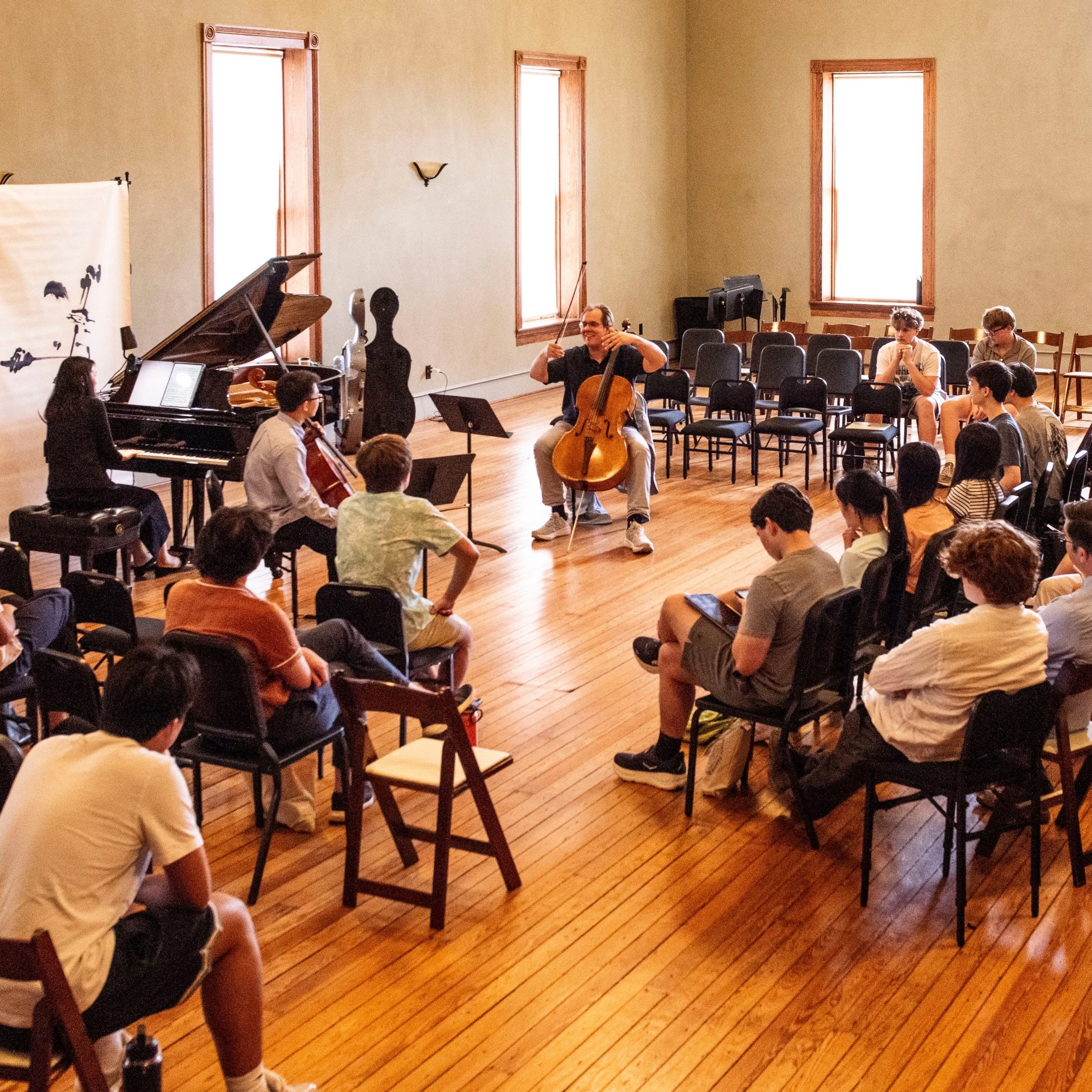
Beyond his private studio, Joseph Kuipers has taught and mentored young musicians through universities, festivals, and educational programs throughout the United States and Europe.
His teaching experience includes faculty positions at Washington and Lee University, Eastern University, Dallas Baptist University, and programs at Texas Christian University and the University of North Texas. Internationally, he served as an assistant to Michael Flaksman at the Hochschule für Musik in Mannheim and the Carl Orff Festival, and taught at the Binningen Special School in Switzerland.
Whether working individually or in a public masterclass, Kuipers encourages curiosity, independent thought, and a deeper understanding of musical expression.
04 / STUDENTS & ALUMNI
Where the work leads.
Students have continued their musical development at leading conservatories, universities, and international festivals, earning recognition for their artistry and achievements.
UNIVERSITIES & CONSERVATORIES
Brown University
Duke University
Indiana University
Peabody Institute
Princeton University
Rice University
Southern Methodist University
Texas Christian University
University of Michigan
University of North Texas
University of Texas, Austin
Yale University
FESTIVALS & PROGRAMS
Aspen Music Festival
ENCORE Chamber Music Institute
Fredericksburg Music Festival & School
Heifetz Institute
Kronberg Academy
Les Festival International du Domaine Forget
Meadowmount School for Strings
Round Top Festival & School
Taos School of Music
Verbier Festival
Additional distinctions include national and regional competition awards and selection for the Texas All-State Orchestra.
05 / THE STUDIO
A place to grow.
At the center of my teaching is my private cello studio in the Plano North Dallas–Fort Worth area, where I work individually with cello students at different stages of their musical development.
I believe that meaningful progress grows from a relationship built on trust, curiosity, discipline, and a shared commitment to our work in music. Every student brings different abilities, aspirations, and ways of learning; I approach our work together with those differences in mind.
Lessons combine careful attention to the fundamentals of cello playing with the development of musical imagination, independence, and personal expression. My aim is not simply to prepare students for the next audition, competition, or performance, but to help them develop the understanding and confidence to sustain a lifelong relationship with music.
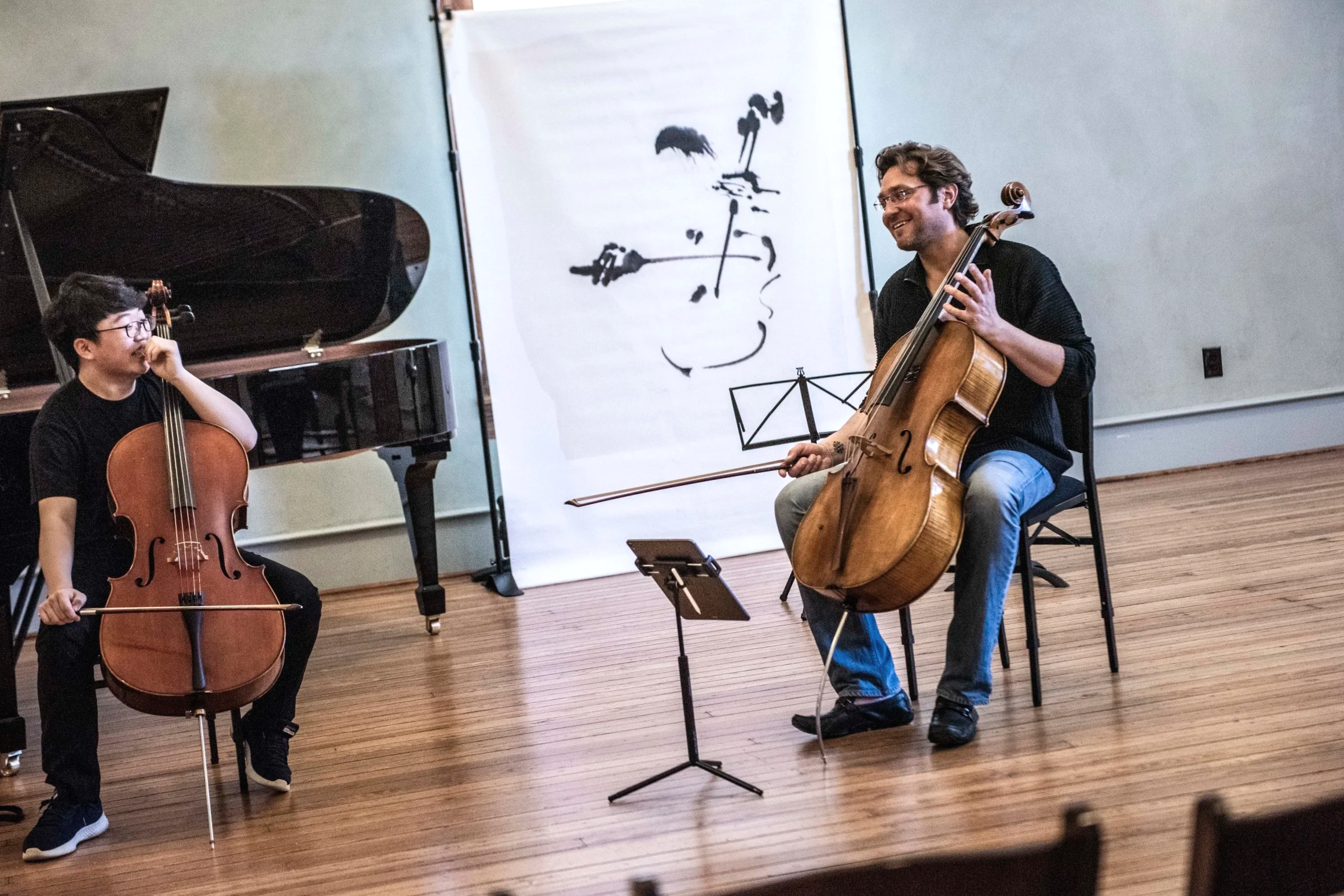
PRIVATE CELLO LESSONS · PLANO · FRISCO · DALLAS · FORT WORTH
Inquiries from prospective students are welcome.
Please include a brief introduction, your current level of study, and your musical goals.
06 / BEYOND THE STUDIO
Creating places to learn.
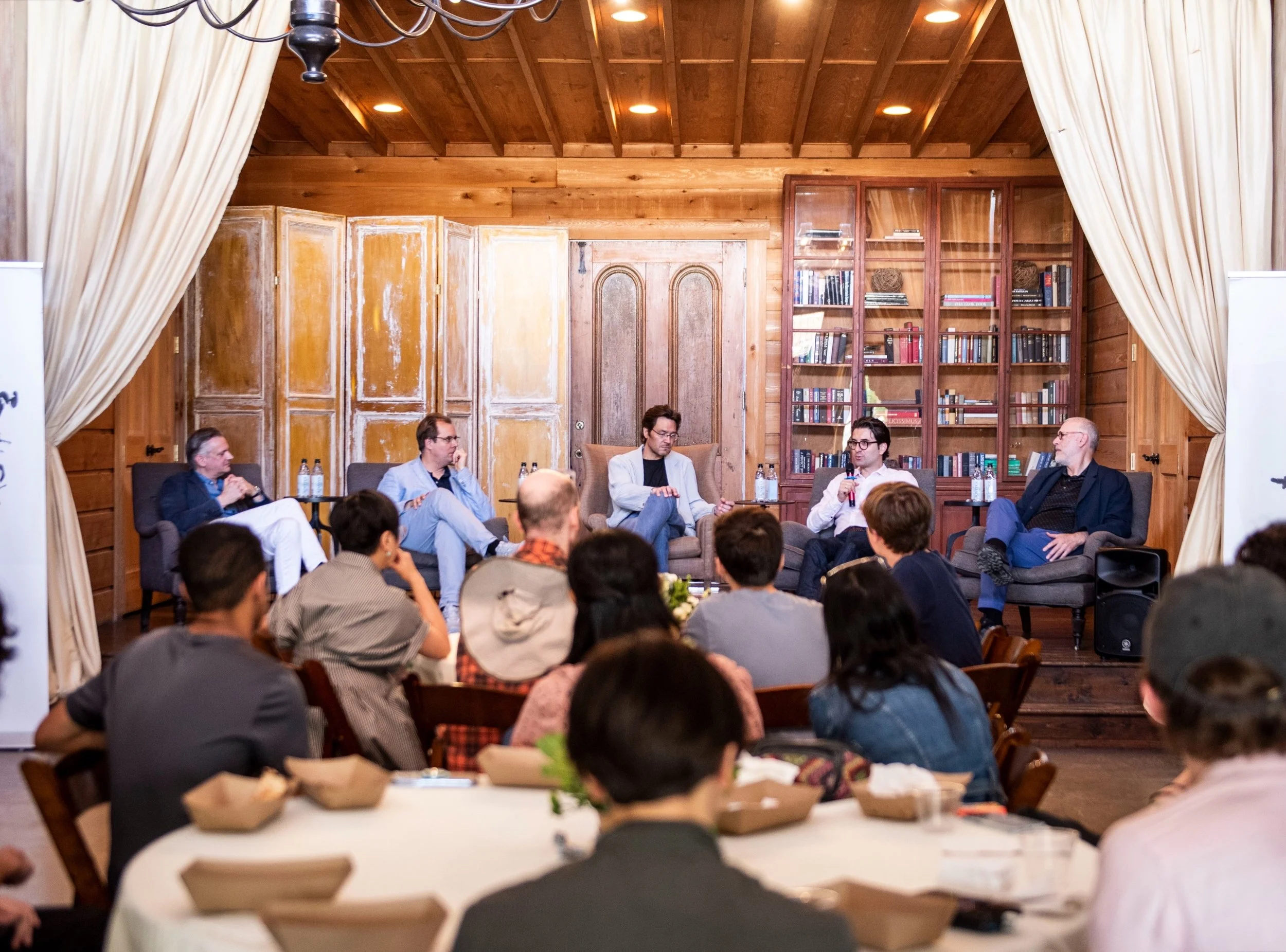
Teaching extends beyond the individual lesson. Through the founding of TexasCellos, Fredericksburg Music Festival & School, and TexasCelloSchool, Joseph Kuipers has helped create environments where young musicians encounter distinguished artists, collaborate with peers, and experience music as part of a larger artistic community.
These initiatives reflect a belief that meaningful musical education grows through shared experience—through listening, performing, mentorship, and the relationships formed along the way.
Texas Cellos ↗︎
Texas Cello School ↗︎
Fredericksburg Music Festival & School ↗︎
07 / INQUIRIES
An invitation to teach and learn.
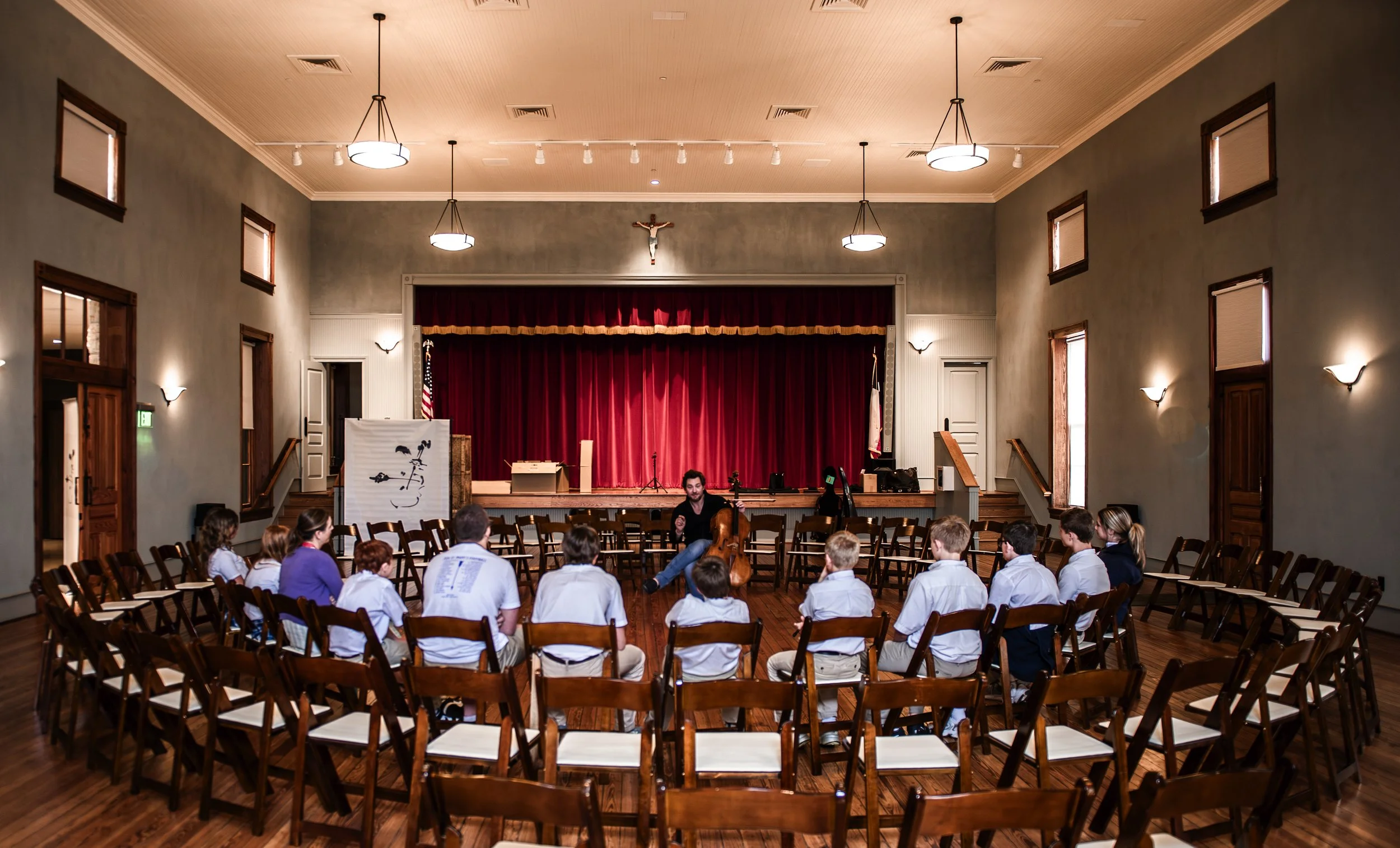
For private cello study, masterclasses, university residencies, and educational collaborations, Joseph Kuipers welcomes inquiries from students, families, and institutions interested in meaningful musical exchange.